January is Madeira's quietest and cheapest month, and also one of its wettest. Funchal's daily high averages 20.0°C and the overnight low 14.3°C, while 67.1mm of rain falls across 6.2 days – IPMA's 30-year average for the island's capital. The sea sits at 18.8°C, too cool for most swimmers, so this is a walking, sightseeing and whale-watching month rather than a beach one.
Prices bottom out once the New Year crowds clear, trails run near-empty, and the one fixed date on the calendar is the Funchal Marathon on 17 January 2026. Pack for rain as much as for sightseeing, and build flexibility into any plan that depends on clear skies.
What's the weather like in Madeira in January?
January sits inside Madeira's wettest stretch of the year. IPMA's Funchal-station average puts the month at a 20.0°C daily high and a 14.3°C overnight low, with 67.1mm of rain spread across 6.2 days – enough to plan around, not enough to write the month off. Sunshine averages 5 hours a day and daylight runs to 10 hours, both among the year's shortest.
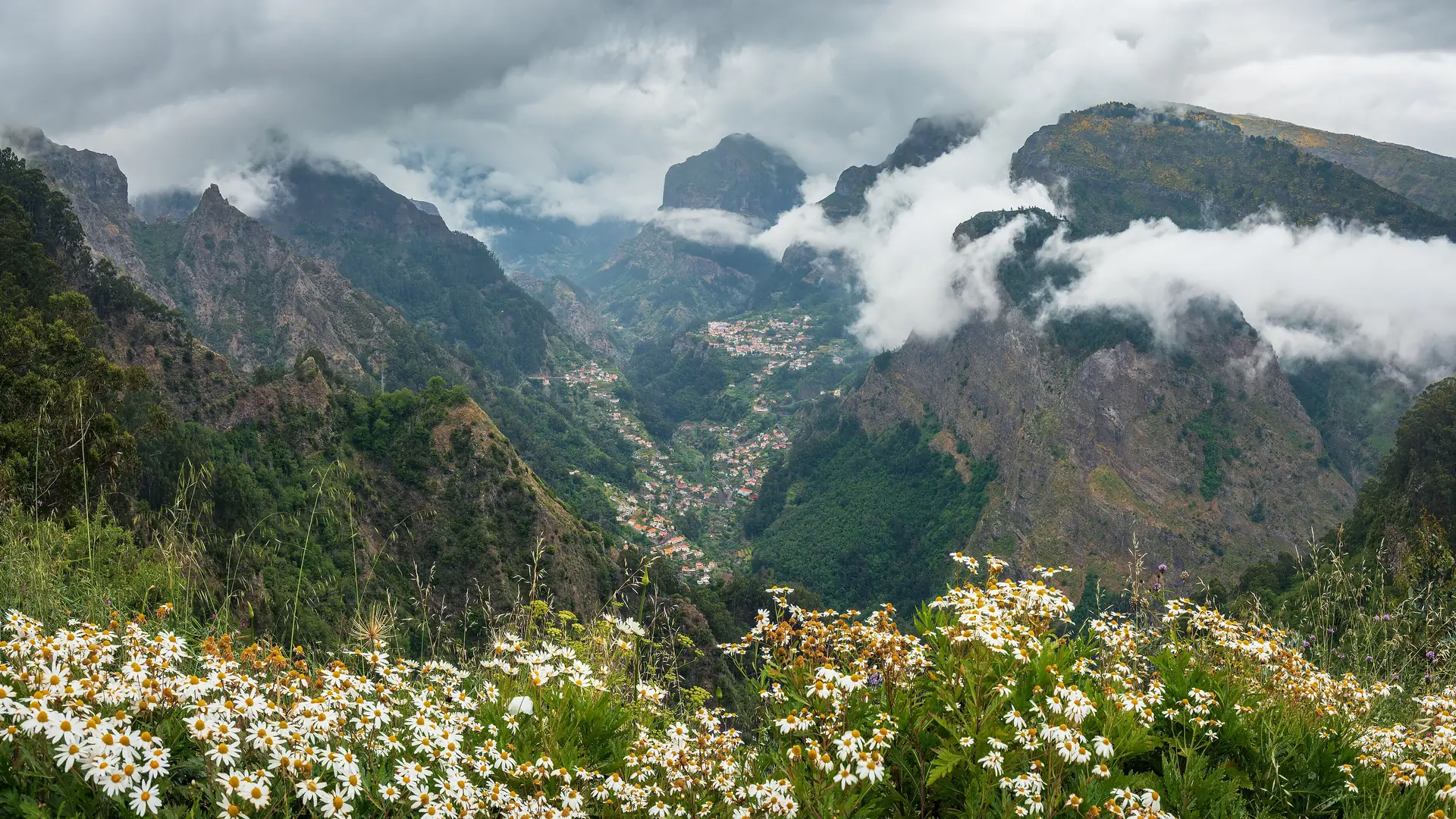
The island's microclimate is sharper in January than in almost any other month. The south coast, including Funchal, stays the driest and brightest side of the island, while the north coast and the high peaks catch the bulk of the rain and cloud. A clear Funchal morning says nothing about conditions at altitude or on the north coast.
Treat the forecast as a moving target rather than a fixed one. Save weather-dependent plans – a peak walk, a boat trip – for the mornings that actually look clear, and keep a wet-weather backup ready for the rest.
Is January a good time to visit Madeira?
Yes, if quiet and value matter more than guaranteed sun. January sits well outside Madeira's peak: April to June and September to October are the island's busiest months, along with the Christmas and New Year fireworks week, when Funchal sells out completely – January falls in the gap after the New Year rush, which is exactly why it's cheap.
Flights and hotels drop to their lowest once the New Year peak clears in early January, and that value runs through the rest of the month. Trails, restaurant tables and tours are all easy to book, and the island's popular levadas and viewpoints are close to empty on an ordinary weekday.
The trade-off is the weather rather than the crowds. If a restful, low-cost trip matters more than reliable sunshine, January delivers exactly that; if you need warmth or a beach, wait for later in the year.
What's the sea temperature in Madeira in January?
The sea averages 18.8°C in January, among the coldest readings of the year, and too cool for most swimmers without a wetsuit. That doesn't close the coast down – Madeira's sea pools and boat trips run as normal – but it does mean January suits walking and wildlife more than swimming.
The water doesn't catch up with the air until much later in the year. Madeira's sea lags the calendar by months and actually peaks in autumn rather than midsummer, so a January dip is a cold-water novelty rather than a comfortable swim. Save the togs for a different trip.
What should you pack for Madeira in January?
Pack layers and a proper waterproof rather than a winter coat – January is mild, not cold, but it's one of the wettest months on the calendar, and the difference between a good day and a miserable one is dry feet and a decent hood. Sturdy walking shoes matter more than anything stylish.
Add a warm mid-layer for the peaks, which run noticeably colder than Funchal at sea level, and sunglasses for the bright spells between showers. With only 10 hours of daylight and 5 hours of sunshine a day, start outdoor plans early rather than after a leisurely breakfast.
Things to do in January
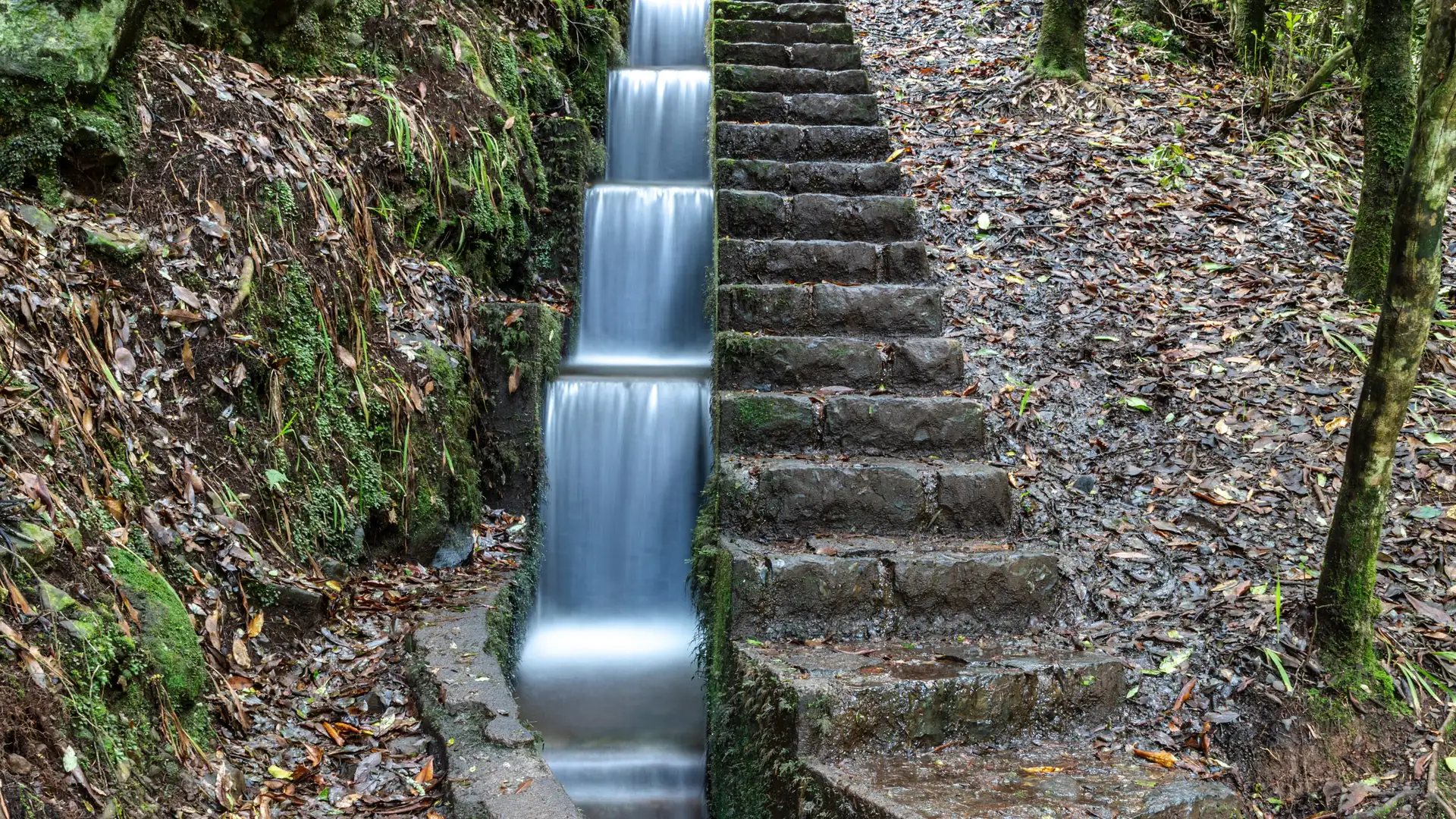
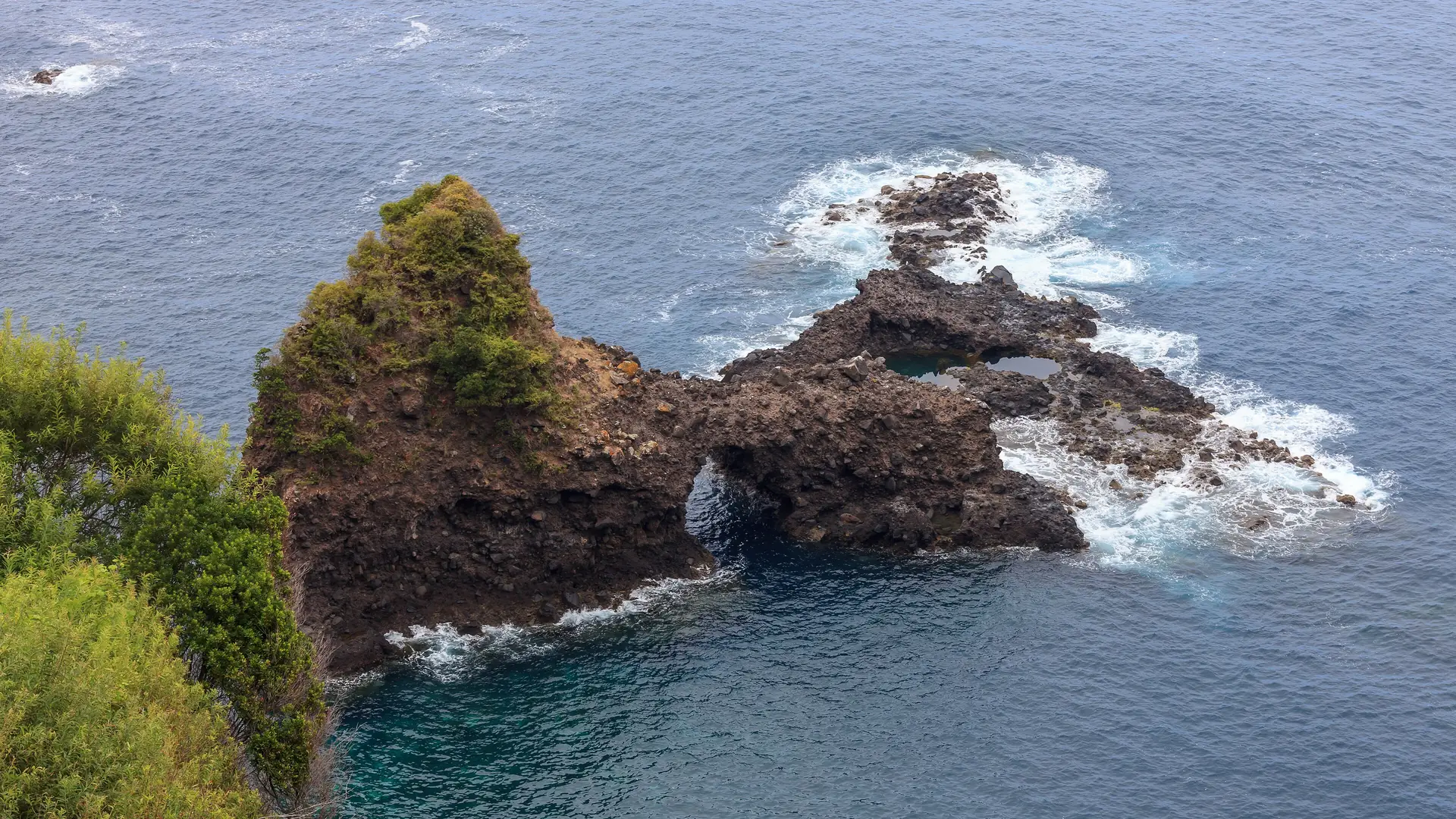
The fixed date on January's calendar is the Funchal Marathon on 17 January 2026, which closes roads along the seafront for runners tackling the full, half and relay distances – worth checking if it affects your route into the city that day. Outside race day, the appeal is quiet trails: levada walks run cool, green and close to empty, and the Atlantic is at its most dramatic against the north coast's cliffs.
Whale and dolphin watching runs year-round off the south coast, and January trips are usually among the cheapest of the year – though rougher winter seas mean more cancellations than in calmer months, so build a spare day into the itinerary if seeing them matters to you. Rainy afternoons are easy to fill with a wine cellar, a museum or a long Funchal lunch.
January rewards patience with the forecast rather than a fixed schedule.
For how the month compares with the rest of the year, see when to visit Madeira.
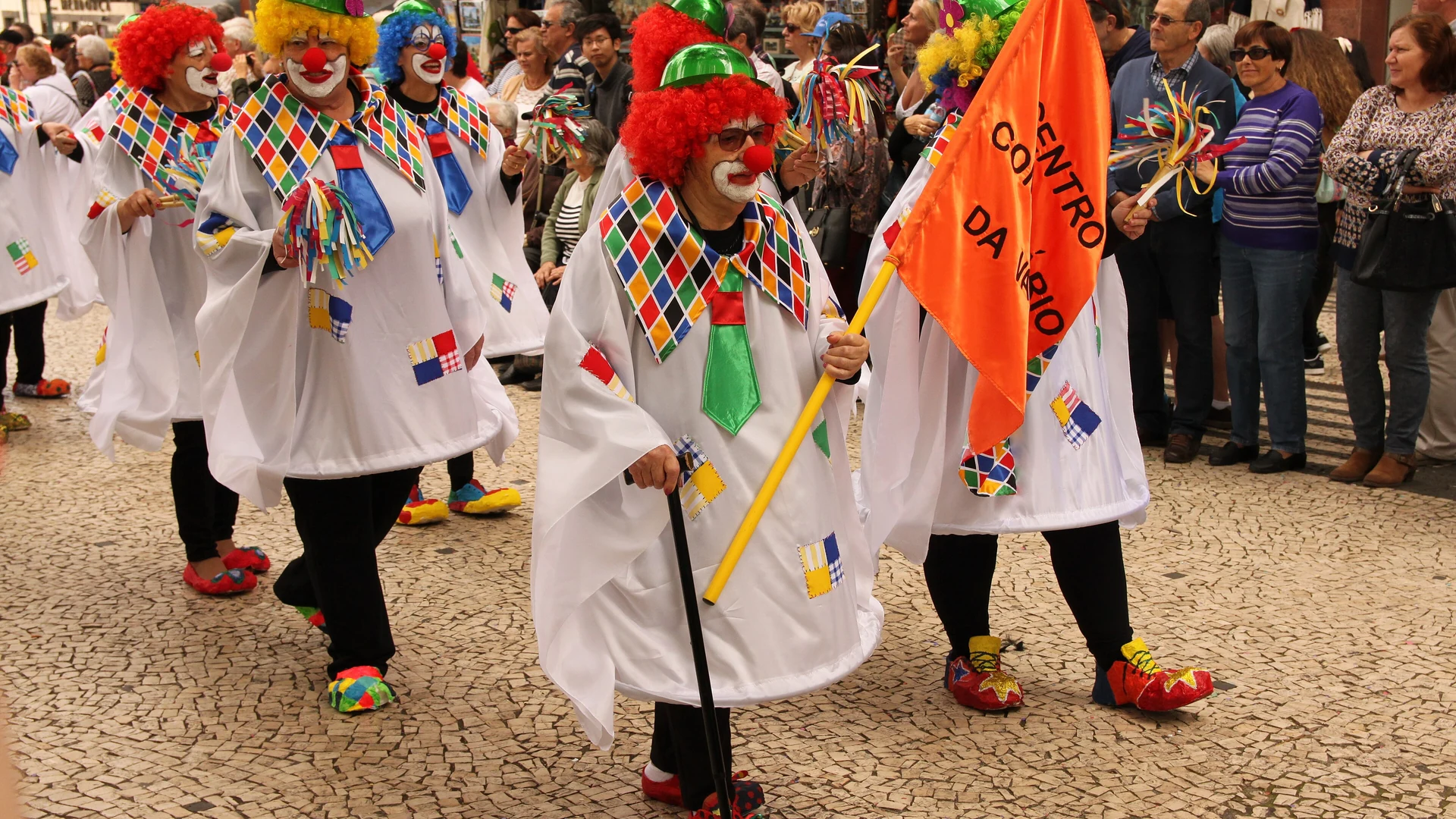
Featured image: Luis Miguel Bugallo Sánchez (Lmbuga) / Wikimedia Commons / CC BY-SA 4.0