A first trip to Madeira comes down to four days: one mountain day, one levada walk, one coast day and Funchal. The island is small and the roads are slow, so the mistake is trying to do everything rather than picking one big effort a day.
Two things now need booking rather than turning up. Every classified PR trail needs a timed reservation at €4.50 per person, and PR1 from Pico do Arieiro to Pico Ruivo has been one-way only since 27 April 2026 at €10.50. Everything below is what is genuinely worth your time, and a 3 to 5 day plan is at the end.
Funchal: where to start
Base yourself in Funchal for the first day or two. It is the easiest introduction to the island, nearly every tour picks up from here, and the alternatives are weighed up in where to stay in Madeira.
Three things fill a first day. The old town, the Zona Velha, with its painted doors and harbour; the Mercado dos Lavradores for tropical fruit and flowers; and the cable car up to Monte, €22 return or €16 one way, with children 7 to 14 at half fare and under-7s free.
At the top, the toboggan is the one genuinely Madeiran thing to do. Two straw-hatted men steer a wicker sledge about 2 km in roughly 10 minutes down public roads, as they have since the 1850s. From 1 May 2026 it costs €30 for one rider, €40 for two and €60 for three, cash only, with no online booking.
A couple of hours covers the old town; a full day adds the gardens, the market and a long lunch. It is also the natural rainy-afternoon fallback, because a wine lodge tasting is indoors and central. The capital in full is in things to do in Funchal.
The peaks: Pico do Arieiro and Pico Ruivo
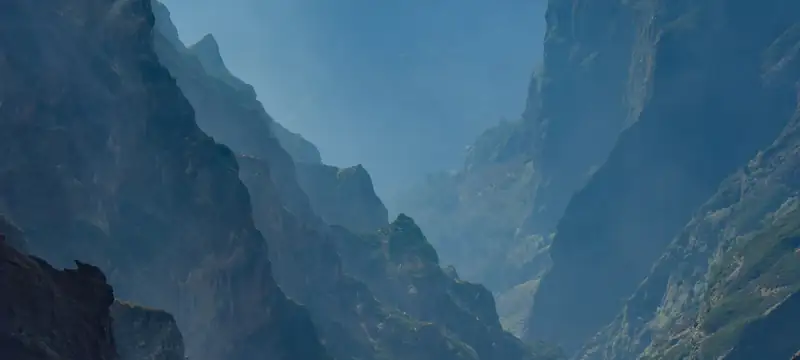
This is the headline, and you can almost drive to it. Pico do Arieiro reaches ~1,818 m, and on a clear morning you stand above a sea of cloud while the light moves across the ridges. The catch is weather: cloud can erase the view completely, so keep the day flexible.
For walkers, PR1 to Pico Ruivo is the island's classic big hike and the rules changed this year. It runs ~7 km to the summit or ~10 km down to Achada do Teixeira, with about 600 m of ascent, and it has been one-way only, Arieiro to Ruivo, since 27 April 2026, on a timed €10.50 reservation.
It is demanding rather than technical, and it should not be improvised. The full picture, including the transfer-versus-self-drive decision now that you cannot walk back to your car, is in the Pico do Arieiro sunrise guide.
Levada walks: Madeira's signature trails
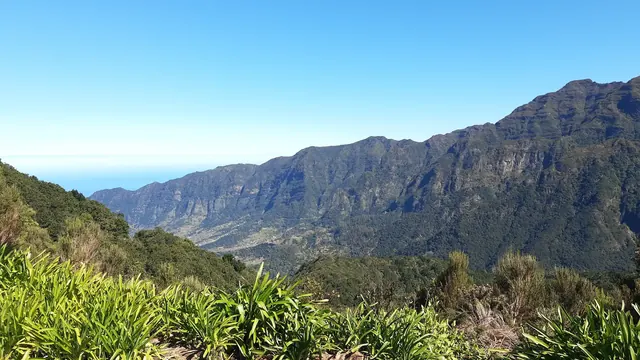
Levadas are the centuries-old irrigation channels that thread across the island, and the paths beside them are the most accessible nature walking anywhere. Because the water has to flow gently, the paths barely climb – which is why they suit people who would never call themselves hikers.
They range from a 20-minute stroll to an all-day commitment. The short Balcões miradouro walk is the gentle end; Caldeirão Verde near Santana, with its dripping unlit tunnels, and the 25 Fontes at Rabaçal are the headline routes, and both get busy.
The 2026 rule is the thing to sort before you travel: classified PR levadas need a timed booking and a €4.50 fee, while non-classified levadas stay free. Rangers check on the trail and there is no ticket booth at the trailhead.
Most good trailheads sit in the mountains with no bus, which is the real reason walkers book transfers here. Routes sorted by difficulty are in the best levada walks guide, with the wider picture in best hikes in Madeira.
If you would rather be in the ravine than beside it, canyoning drops you into the same valleys on a rope, from ~€70, age 10 and up, no experience needed.
The west and north coast
The west is Madeira's wildest side and the best single day for variety. One loop takes in the Cabo Girão skywalk, a glass floor over a 580 m cliff (€5 for over-12s, free for children 12 and under, daily 08:00–20:00), the lava pools at Porto Moniz, the black sand at Seixal and the mossy Fanal forest on the plateau.
Porto Moniz is two different places and people confuse them. The municipal Piscinas Naturais complex is €3 for anyone over 3, free under 3, and has lifeguards, changing rooms and a shallow area; the free Cachalote pools have no facilities and no supervision at all.
It is a lot of ground and a lot of winding road, which is why most people let someone else drive. Self-driving the loop is perfectly doable and gives you freedom, but the hairpins and north-coast fog make it more tiring than the map suggests. The route stop by stop is in the west Madeira jeep tour guide.
The east is the calmer, cheaper counterpart: Santana's thatched houses, the Ribeiro Frio laurel forest and the drive-up Arieiro viewpoint, covered in the east Madeira tour. To drive yourself off-road instead, a buggy tour runs forestry tracks near Caniçal.
Boat trips and whale watching
Madeira sits in deep Atlantic water, so a wildlife boat is the easiest nature outing to add to a short trip. Boats leave straight from Funchal marina, trips run 2 to 3 hours at roughly €35 to €54, and dolphins are a realistic expectation rather than a promise.
The choice that changes the trip is catamaran or RIB. A catamaran is stable, shaded and has a toilet, which makes it the better call with children or a nervous stomach; a RIB is faster and lower to the water, and you feel every wave. The seasons and the boats are compared in the whale and dolphin watching guide.
Two sharper options sit either side of it. Coasteering puts you in the sea itself, swimming and scrambling the Caniçal cliffs with optional jumps, and a beginner scuba try-dive runs from ~€43 in Funchal's marine reserve, pool from age 8 and the ocean dive from age 10, with no certification needed.
Food, wine and the villages
Madeira's culture is as much about the table as the trail. Look for espetada, beef skewers grilled over laurel wood, bolo do caco, the garlic-buttered flatbread, and poncha, the local rum, honey and citrus drink. Madeira wine is the fortified wine the island is named for, and a lodge tasting in Funchal is the classic wet-weather hour.
Out of town, two villages round out a coast or mountain day. Câmara de Lobos is the working fishing harbour Churchill came to paint, and the north-east around Santana is known for its triangular thatched A-frame houses.
For the most dramatic half-day on the island, Curral das Freiras sits on the floor of a crater ringed by near-vertical peaks, with a clifftop viewpoint above it and chestnut cake in the village.
When to go
Madeira is mild all year: Funchal averages 20.0°C annually with 574.3mm of rain across 53.4 days, so there is no bad month, only a best one. May to September is warmest and driest for swimming and boat trips, while spring and autumn suit walking, and the month-by-month detail is in best time to visit Madeira.
The microclimate matters more than the month. The island is a wall of mountains in the Atlantic, so the south can be sunny while the north and the high interior sit under cloud, and it flips within an hour. Treat that as a planning tool: chase the sun south when the peaks are hidden, and save the sunrise and the boat for genuinely clear mornings.
A 3–5 day plan
Group the trip by terrain rather than darting about, and it falls into place. The day-by-day version is in the Madeira 3-day itinerary.
- Day 1 – Funchal: old town, the market, the cable car to Monte, the gardens and the toboggan.
- Day 2 – The mountains: the Pico do Arieiro sunrise, or PR1 to Pico Ruivo if you are a confident walker and the forecast is clear.
- Day 3 – A levada walk: 25 Fontes or Caldeirão Verde, then a slow evening back in Funchal.
- Day 4 – The west coast: the skywalk, Porto Moniz, Seixal and Fanal, by tour or self-drive.
- Day 5 – The sea: whale watching in the morning, then a wine tasting or a long lunch.
With a week, slow it down rather than adding more. Give the west its own unhurried day, add a second levada and build in a beach afternoon.
Do the weather-dependent things on your clearest days. The sunrise and the boat trip are the two that a cloudy morning ruins outright, and Funchal and the gardens are the two that a cloudy morning barely touches.
Getting around
A hire car gives the most freedom for trailheads and viewpoints, tours handle the days you would rather not drive, and buses cover Funchal and the south cheaply before thinning out fast elsewhere. The airport sits well east of the city, and the arrival routes are in the Madeira airport transfer guide; the full car-free mechanics are in Madeira without a car.
So what should you actually book?
Build a 4 to 5 day first trip around one mountain day, one levada, one west-coast day and Funchal. That is the satisfying core of the island without a forced march, and it leaves the weather somewhere to move.
The thing not to do is stack PR1, a long levada and the full west loop into a short trip. The roads and the weather eat time, so pick one big effort per day and leave the rest to scenery and food.
For the ranked list of which tours are worth paying for, see Madeira's best tours. Travelling as a family or as a couple? There are dedicated guides to things to do in Madeira with kids and romantic things to do in Madeira.
Is Madeira worth visiting?
Yes, especially if you like scenery, walking and mild weather in a compact place. Funchal averages 20.0°C across the year, and few islands pack mountains, levada trails, a wild volcanic coast, whale watching and a proper food scene this tightly together.
How many days do you need in Madeira?
Four to five days covers a first trip: Funchal, one mountain day, one levada walk and the west coast. A week lets you add a second levada, a boat trip and a slower pace rather than more driving.
What is Madeira famous for?
Its mountain scenery and levada walks, the sunrise from Pico do Arieiro at around 1,818 m, Funchal and its gardens, the Monte toboggan run, whale watching, and Madeira wine, the fortified wine the island is named after.
Can you visit Madeira without a car?
Yes. Base in Funchal, use the bus network for the south coast, and book tours or transfers for the peaks, the west coast and the trailheads, which buses serve badly. A car adds freedom for viewpoints and levadas but is not essential.
Do you need to book Madeira's hikes in advance?
Yes, for the classified PR trails. Each needs a timed reservation costing €4.50 per person, or €10.50 for PR1 from Pico do Arieiro to Pico Ruivo, which has also been one-way only since 27 April 2026. Non-classified levadas remain free. Rangers check on the trail and there is no ticket booth at the trailhead.
Is Madeira good for non-hikers?
Very. Funchal, the €22 cable car to Monte and the toboggan, the gardens, whale-watching trips, scenic drives and the Cabo Girão skywalk at €5 all work with no serious walking involved.
Photo: H. Zell / Wikimedia Commons / CC BY-SA 3.0


