A hire car is the only realistic way to reach Madeira's north coast, the west and the high trailheads on your own schedule. It is also cheaper than most visitors expect: roughly €12–15 a day for the smallest category booked ahead in January or February, rising to about €35–55 a day in July and August. Compare Madeira car hire before you commit to a week of tours.
The expensive part is not the rental, and it is certainly not tolls – Madeira has none, on any road or through any tunnel. It is the insurance. The standard cover sold with your rate excludes tyres, glass, the underbody and every unpaved road on the island, which is precisely how Madeira damages cars. Here is what to book, where to collect it, and what to turn down at the desk.
Do you actually need a car?
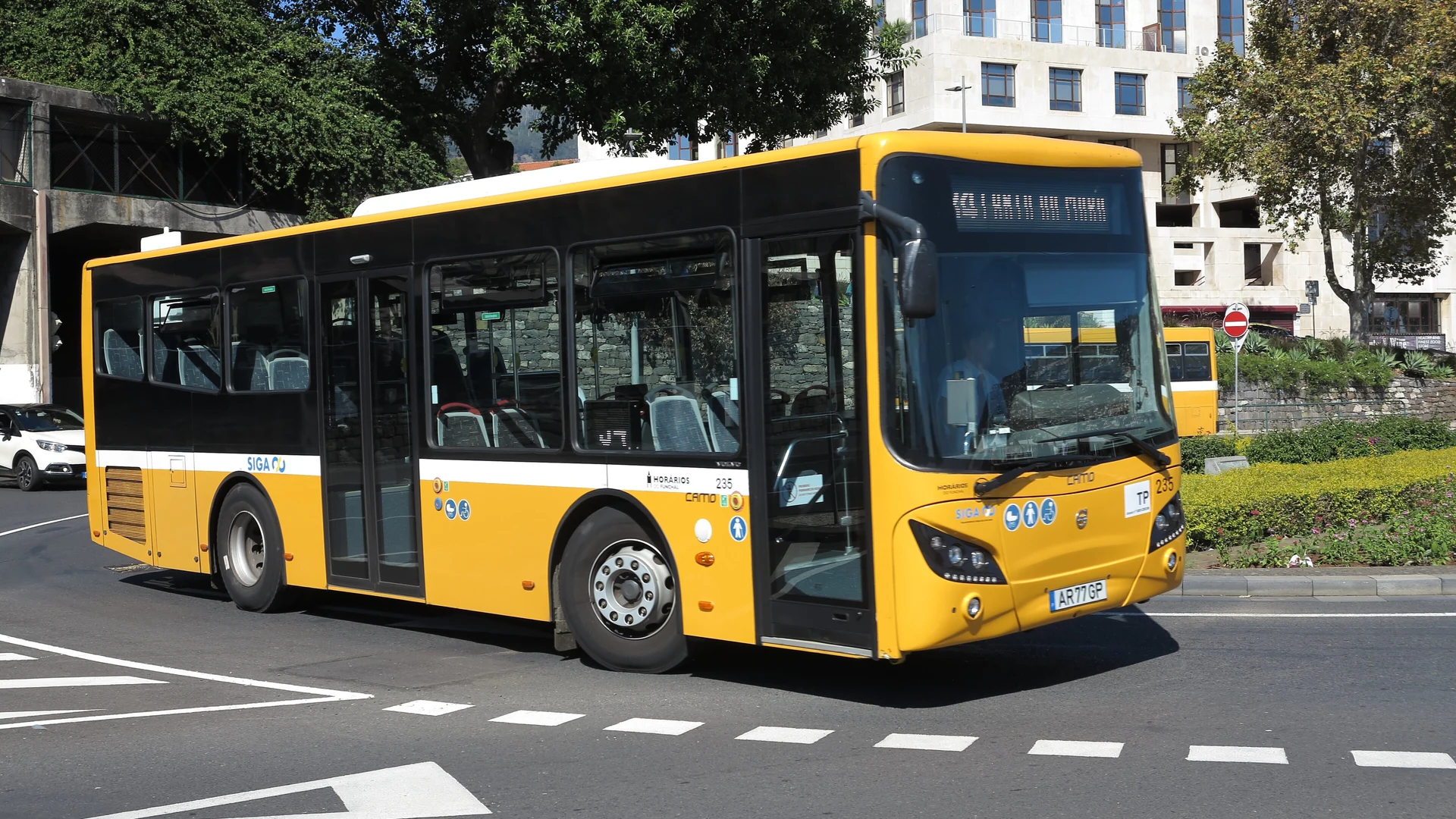
Be honest about the trip you have planned. If you are based in Funchal and taking guided day trips, you do not need a car – buses, transfers and tours cover the headline sights, and Madeira without a car sets out exactly how far that gets you.
A car is for a different holiday: the rural north and west, a villa outside town, or chasing a clear weather window across the island at two hours' notice.
The middle path is usually the best value. Stay car-free for your Funchal and tour days, then hire for the two or three days you actually want to roam. You pay only for the days you use, and you never park in the city centre.
Where to pick up: eight desks inside the terminal
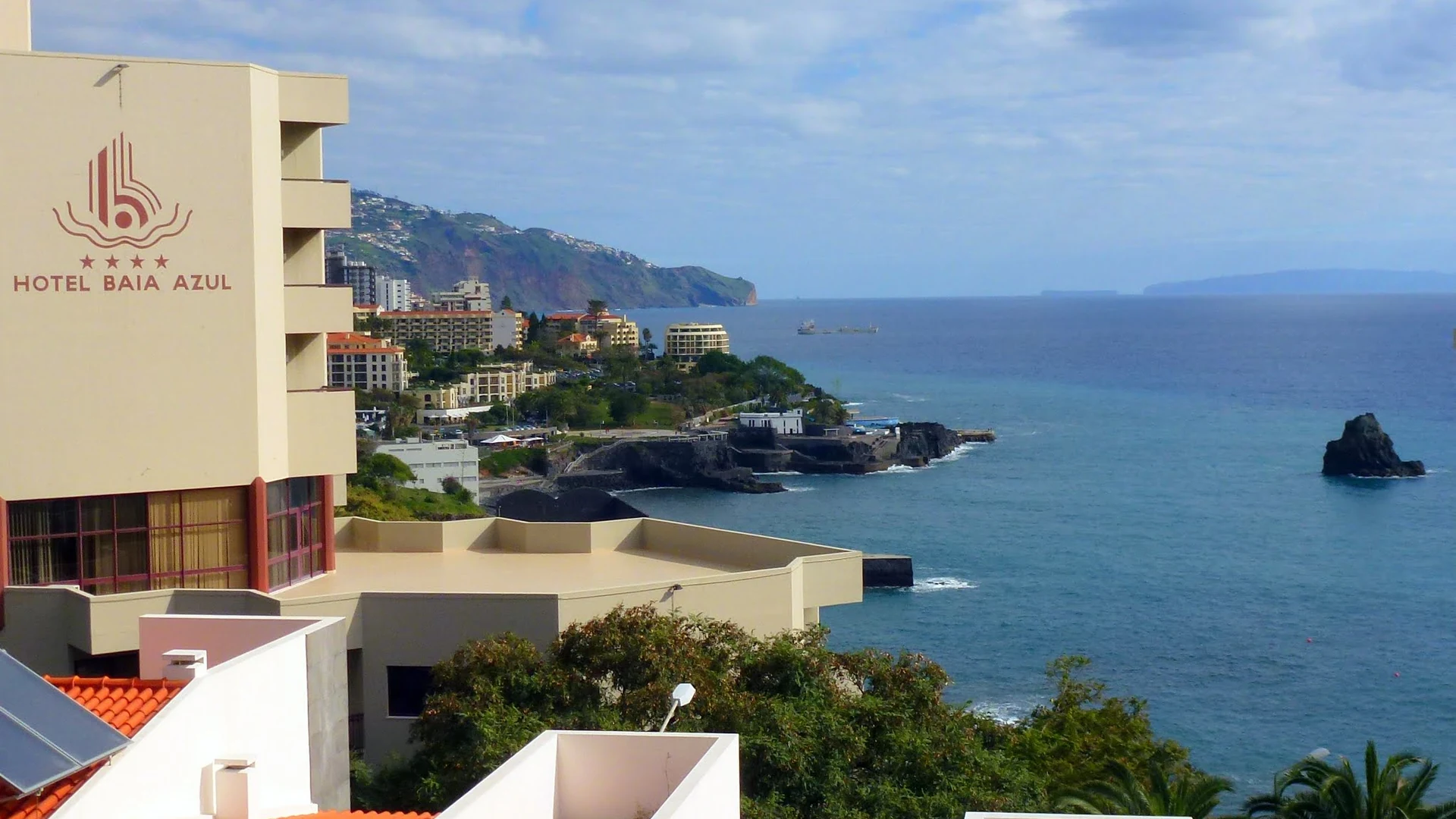
Funchal Airport (FNC) has eight rental desks in arrivals, on floor 0, before the security zone: Avis-Budget, Europcar, Goldcar, Guerin, Hertz, Madeira Rent, Rodavante and SIXT – the airport's own count as of August 2026. Rodavante is the notable local name, Madeira-based and trading since 1977, with counters here and on Porto Santo.
Not every brand hands the car over inside. Some run off-airport lots and meet you at a kerbside bay or in the P3 car park by the terminal, which costs you ten or fifteen minutes each way. Read the pickup wording on your booking rather than assuming a desk in the hall.
Airport collection makes sense if you are touring from day one or staying somewhere rural. If Funchal is your base, take a transfer or the Aerobus in and hire later in the week – you skip driving steep, unfamiliar roads straight off a flight, and you skip several nights of hotel parking. Either way, book early: automatics are limited stock and go first.
What the basic rate does not cover
Every standard Madeira rate bundles third-party liability with a collision damage waiver, and that waiver carries an excess: roughly €800–€1,500 on an economy car, and €3,000 or more on something larger. That much is normal anywhere. The exclusions are not.
| Usually covered by the basic CDW | Not covered |
|---|---|
| Collision damage to the bodywork | Tyres – punctures and sidewall cuts |
| Third-party liability | Glass – windscreen and side windows |
| Theft, often with its own excess | The undercarriage and underbody |
| Wing mirrors and wheel rims | |
| Any damage sustained on an unpaved road |
The honest fix is to buy third-party excess reimbursement cover before you travel, at around €3–8 a day, instead of the desk product. You still pay the excess if something happens, then claim it back from your own insurer.
Two more line items are worth knowing before you sign. Fuel policy on Madeira is full-to-full – bring it back brimmed or pay the supplier's rate plus a service fee. And putting the wrong fuel in is treated as negligence rather than damage: one Madeira operator charges a minimum of €500 for it, cover or no cover.
Driving in Madeira: tunnels, hairpins and zero tolls
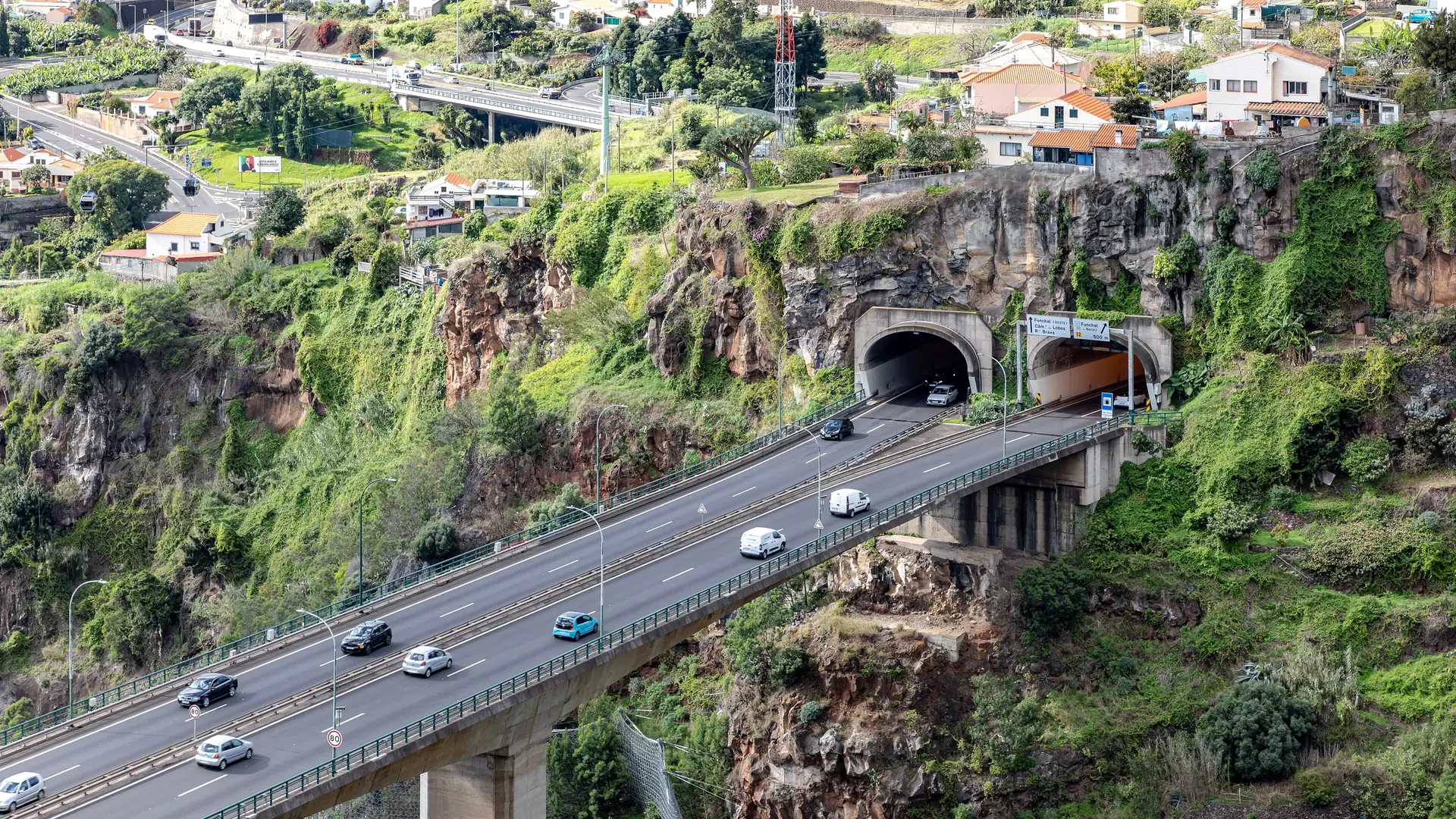
Start with the good news. There are no toll roads and no toll tunnels anywhere on Madeira – the VR1 and everything on it are free, 24 hours a day, and you need no tag or transponder. The modern VR and VE expressways are genuinely excellent, crossing the island through more than 100 tunnels, several of them kilometres long.
Headlights are mandatory inside tunnels, and you will be in and out of them constantly, so simply leave the lights on all day.
The older roads are the ones that ask something of you: steep gradients, tight hairpins, and village lanes narrow enough that one of you is going to reverse. None of it is dangerous for a careful driver, but it is tiring if you are not a confident one. Fog closes in fast on the high passes and at Fanal – if you cannot see the next bend, crawl rather than press on.
Fuel: fill up before you head north
Madeira is unusual here: the regional government caps retail fuel prices and revises the caps often. As of 7 September 2026 the caps stand at €1.921 a litre for petrol 95 and €1.951 for road diesel – and pump prices have swung between roughly €1.46 and €1.95 across 2026, so treat any figure you read anywhere as a snapshot.
Note the order of those two numbers. Diesel is currently dearer per litre than petrol on Madeira, which reverses the usual assumption – over a week's hire, the petrol car can be the cheaper booking.
Filling stations thin out badly on the north and west side of the island: Ribeira Brava, São Vicente and Porto Moniz are effectively it. Fill up in the south before a north-coast day rather than counting on finding a pump in a small village like Seixal or Boaventura.
An EV works, but plan it. The national MOBI.E network covers Madeira with around 55 public charging stations, concentrated in Funchal, Santa Cruz and Ribeira Brava and sparse everywhere else. The Almirante Reis car park in Funchal has 12 chargers, which makes it the simplest overnight fallback if your hotel has none.
Parking in Funchal: read the kerb, then the meter
On-street parking in the city is metered by colour-coded zone, at these council rates:
| Zone | Per hour |
|---|---|
| Yellow | €1.50 |
| Green | €1.13 |
| Red | €0.62 |
| Brown | €0.44 |
Charges apply on weekday daytimes and Saturday mornings, and parking is free on Sundays and public holidays – but the exact window varies by zone and 2026 sources disagree on it, so read the machine in front of you rather than trusting a blog.
The kerb markings matter more than the meter. Blue lines mean paid parking, white means free, and yellow means no parking with active towing. A white bay marked "M" is residents-only, and that one carries a fine of about €60. Parking illegally on the street runs to a penalty of €5.46 a day.
For anything longer than a couple of hours, use a car park. Anadia Shopping charges €2.00 an hour until 21:00, then €1.20 an hour after that and on Sundays and holidays, or €8.00 for 24 hours on a prepaid daily-entry card.
Almirante Reis is the closest to the old town and the cable car station, at about €1.40–€1.50 an hour or roughly €10 a day, with 524 spaces. Marina Shopping, Forum Madeira and La Vie are the other central options.
Licence, age and the deposit
The minimum age is set by the company, not by the island. Rodavante rents from 23 and sells its excess waiver only to drivers aged 26–75. Guerin starts at 21, rises to 25 for larger vehicles, and caps out at 80. A few local firms will rent from 18, against a €1,000–€1,500 deposit and a young-driver surcharge under 21.
On licences: EU and EEA licences need no International Driving Permit, and a UK photocard normally does not either. US, Canadian, Australian, Japanese and Brazilian licence holders may legally drive in Portugal for up to 185 days, but bring an IDP anyway – individual rental desks require one regardless of what the law allows. If your licence is not in the Latin alphabet, an IDP or a certified translation is effectively mandatory.
Then there is the one that ends trips at the counter. You need a physical credit card in the main driver's name for the deposit, and American Express is frequently refused – Rodavante says so outright. A debit card, a phone wallet or a card in your partner's name will not do.
Where a car still will not take you
Even with the keys in your hand, three of Madeira's best-known places have rules you cannot drive around.
Rabaçal and the 25 Fontes levada: the 2 km paved access road from the ER105 car park down to the Casa Florestal is closed to private vehicles. The Câmara Municipal da Calheta runs a van instead – €5 one way, €8 return, daily 10:00–18:00, cash only.
Pico do Arieiro: the summit car park fills 45–90 minutes before sunrise, and once it is full the police stop further vehicles coming up. There is a larger overflow car park about 800 m back down the road. The summit and its viewpoints are free and need no booking – it is the trail beyond them that is ticketed.
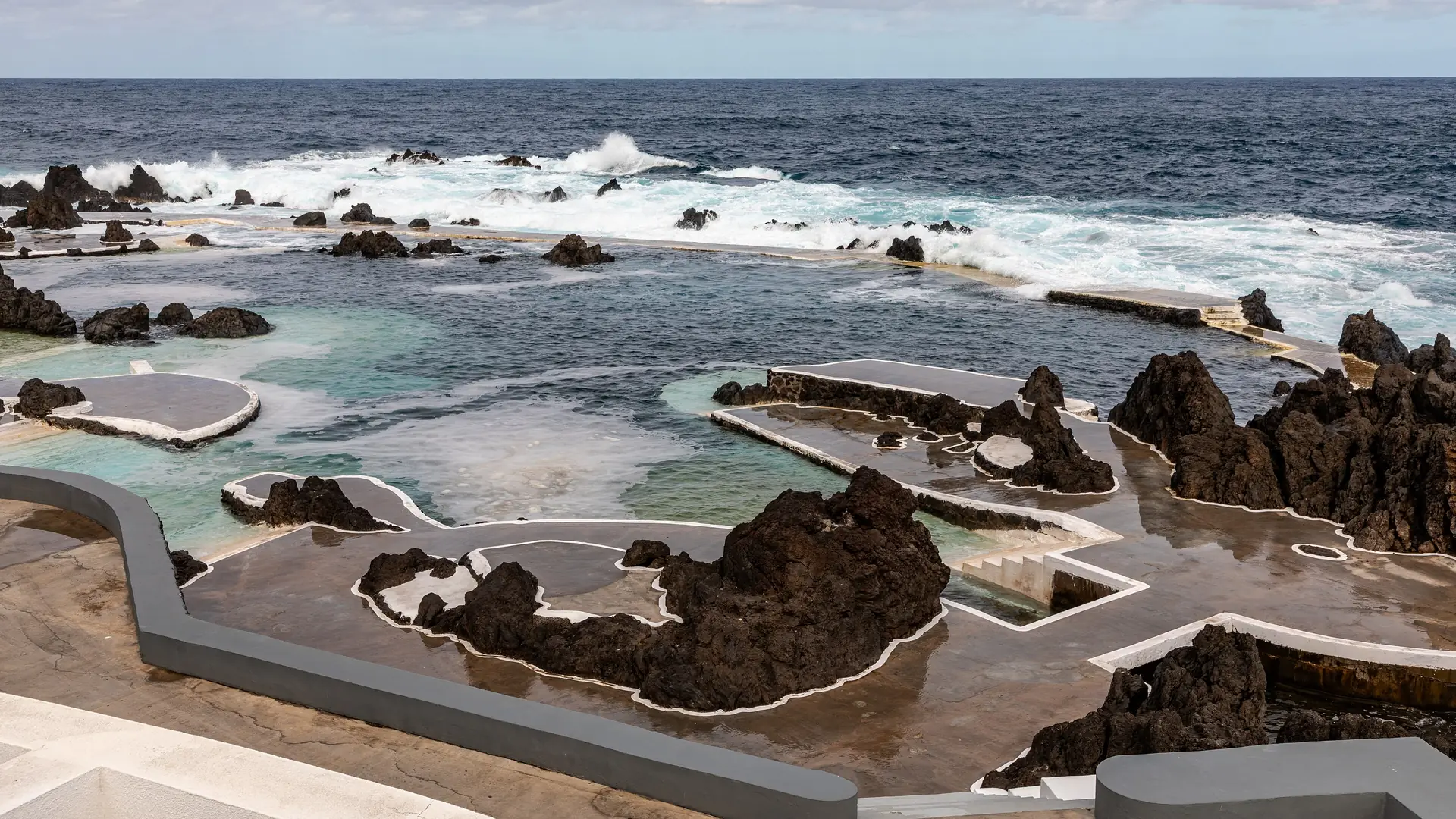
Everywhere else, the car earns its keep. The Porto Moniz lava pools, the black-sand beaches at Seixal and the laurel forest at Fanal are all a straightforward drive – and a genuinely awkward day by bus.
Featured image: Dietmar Rabich / Wikimedia Commons / CC BY-SA 4.0